
Reviewing Leases and Real Estate Agreements for Veterinary Practices
Real estate decisions can have a long-lasting impact on the success of your veterinary practice. Whether you’re opening a new location, expanding an existing clinic, or renegotiating a lease, the terms of your lease or real estate agreement can affect your financial flexibility, operational freedom, and long-term business value.
Reviewing Leases and Real Estate Agreements for Veterinary Practices Continue reading…
Buying an Emergency or 24-Hour Veterinary Clinic: What You Need to Know
Veterinarians and practice owners may consider purchasing an emergency or 24-hour clinic to serve the needs of a greater number of clients. These clinics have become popular in recent years because they allow pet owners to seek care for their pets when they experience acute symptoms outside of standard business hours. However,...
Buying an Emergency or 24-Hour Veterinary Clinic: What You Need to Know Continue reading…
How to Identify Hidden Costs When Buying a Veterinary Practice
Thinking about buying a veterinary practice but worried about hidden costs? You’re not alone. Many buyers focus on the sale price and overlook the extra expenses that can add up quickly. A missed detail in a lease, a vague asset list, or an unpaid tax bill could all turn into unexpected problems...
How to Identify Hidden Costs When Buying a Veterinary Practice Continue reading…

How an Attorney Helps with Business Licenses and Vendor Contracts for Veterinary Practices
Opening a veterinary practice is a wonderful way to serve the community while doing what you love. But it takes work, and it’s a process that requires patient deliberation and the assistance of legal counsel. One specific way that an attorney can assist you and your practice is to help you acquire...
How an Attorney Helps with Business Licenses and Vendor Contracts for Veterinary Practices Continue reading…

Financing Options for Veterinary Practice Buyers: Legal Implications
Most veterinarians and investors wishing to purchase a veterinary practice will need to line up sufficient financing as a condition of completing the deal. These financing arrangements are typically the product of careful negotiations between the borrower and lender, memorialized in detailed contracts that often contain confusing legal jargon. Regardless of what...
Financing Options for Veterinary Practice Buyers: Legal Implications Continue reading…

How to Structure a Veterinary Practice Buy-Sell Agreement
Veterinary medicine is similar to other practices in that much of it concerns both practical and legal considerations of business law. Selling your ownership interest in a practice or preparing for a major life event such as retirement will require that you take steps to protect your rights. The best way to...
How to Structure a Veterinary Practice Buy-Sell Agreement Continue reading…

Internal vs. External Succession: Which is Right for Your Veterinary Practice?
Operating a veterinary practice can be a rewarding experience, but the time will come when you are ready to sell your business and move on to the next stage of your life. There are broadly two options for doing so: internal succession and external succession.
Both of these options...
Internal vs. External Succession: Which is Right for Your Veterinary Practice? Continue reading…
How to Protect Client Information: Data Privacy Best Practices for Veterinary Clinics
Veterinary practices maintain sensitive client information, including financial details, such as credit card information and Social Security numbers, that need to be protected from unauthorized access. Unfortunately, approximately 11,000 veterinary practices in the United States experience a cyber attack annually.
Effective data privacy best practices can help veterinary...
How to Protect Client Information: Data Privacy Best Practices for Veterinary Clinics Continue reading…
How to Negotiate Favorable Terms in Veterinary Vendor Contracts
In the veterinary industry, vendor contracts are crucial in ensuring that your practice runs smoothly and efficiently. The terms negotiated in these contracts directly impact your bottom line, from medical supplies and pharmaceuticals to equipment and technology. A well-negotiated vendor contract saves money and ensures your practice receives consistent, high-quality products and...
How to Negotiate Favorable Terms in Veterinary Vendor Contracts Continue reading…
How to Handle Breach of Contract with Veterinary Suppliers: Legal Recourse
Contracts with suppliers are critical for the smooth operation of a veterinary practice, ensuring consistent access to medications, equipment, and other essentials. However, when suppliers fail to meet their contractual obligations, the resulting disruption can harm the business and compromise patient care.
To protect your practice's interests, knowing how...
How to Handle Breach of Contract with Veterinary Suppliers: Legal Recourse Continue reading…
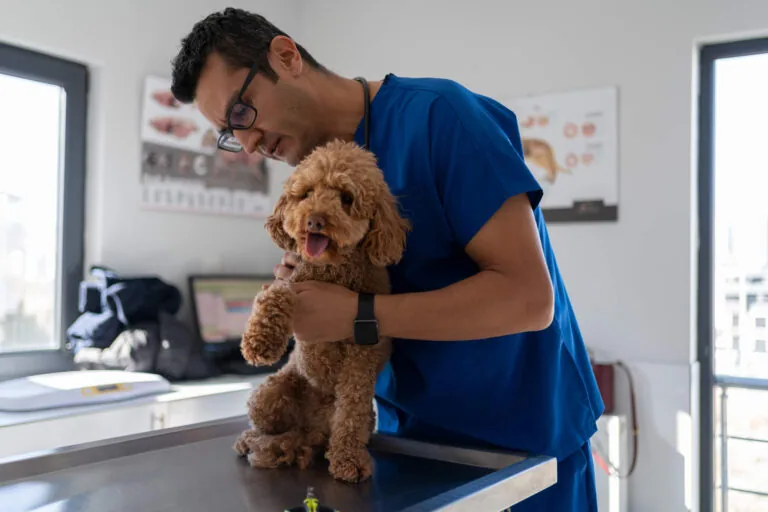
The Tax Benefits of a PLLC for Veterinary Practices
Starting a veterinary practice can be an exciting but daunting process. Deciding on a structure for your veterinary practice can help you protect yourself and your business interests. Many states allow professionals, including veterinarians, to create a professional limited liability company (PLLC). In addition to providing personal liability protection, PLLCs offer...
The Tax Benefits of a PLLC for Veterinary Practices Continue reading…

Steps to Forming a PLLC for Your Vet Practice
Minimizing liability for yourself and your veterinary practice is essential for practice owners. Forming a professional LLC (PLLC) allows veterinary owners to create a professional identity for their practices while limiting their personal liability. Understanding the unique requirements and benefits of a PLLC can help you make an informed decision about how...
Steps to Forming a PLLC for Your Vet Practice Continue reading…