
Occupational Hazards and Employer Liability in Veterinary Clinics
Veterinary clinic employers are responsible for identifying foreseeable workplace hazards and taking reasonable steps to protect their employees. When a practice lacks appropriate policies, training, protective equipment, or incident procedures, an employee injury may lead to a workers’ compensation claim, an OSHA investigation, or other employment law concerns for the veterinary...
Occupational Hazards and Employer Liability in Veterinary Clinics Continue reading…
The Rise of “Pet Custody” Laws: What Veterinarians Should Know
Increasingly, certain states are allowing courts to weigh in on the custody of pets when couples divorce or separate. In those states, courts no longer treat pets like furniture or other assets. Instead, they are beginning to account for the unique emotional factors that come with pet ownership. Judges in states with...
The Rise of “Pet Custody” Laws: What Veterinarians Should Know Continue reading…
Who Pays the Vet Bill? Legal Questions When Ownership of a Pet Is Disputed
Key Takeaways
The person who approves treatment is usually responsible for the vet bill, so clear, written consent is critical.
Ownership disputes alone don’t determine payment, making proper documentation essential to protect your practice.
Simple policies, like one decision-maker...
Who Pays the Vet Bill? Legal Questions When Ownership of a Pet Is Disputed Continue reading…
Breaking Up is Hard to Do: Exit Clauses in Vet Practice Partnerships
Partnerships in veterinary practices can be incredibly rewarding, as they allow for sharing the workload, combining skill sets, and building something meaningful together. But just like any professional relationship, not all partnerships last forever. Whether due to retirement, relocation, disagreements, or unforeseen personal circumstances, it’s not uncommon for one partner to want...
Breaking Up is Hard to Do: Exit Clauses in Vet Practice Partnerships Continue reading…

How an Attorney Helps with Business Licenses and Vendor Contracts for Veterinary Practices
Opening a veterinary practice is a wonderful way to serve the community while doing what you love. But it takes work, and it’s a process that requires patient deliberation and the assistance of legal counsel. One specific way that an attorney can assist you and your practice is to help you acquire...
How an Attorney Helps with Business Licenses and Vendor Contracts for Veterinary Practices Continue reading…
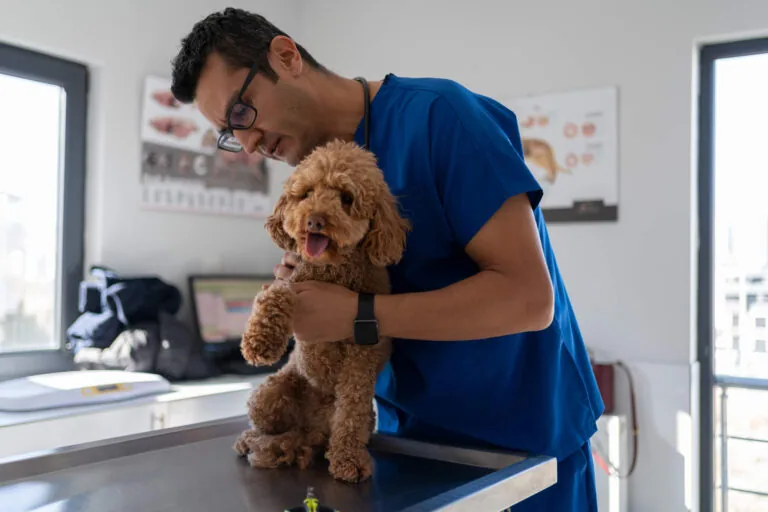
The Tax Benefits of a PLLC for Veterinary Practices
Starting a veterinary practice can be an exciting but daunting process. Deciding on a structure for your veterinary practice can help you protect yourself and your business interests. Many states allow professionals, including veterinarians, to create a professional limited liability company (PLLC). In addition to providing personal liability protection, PLLCs offer...
The Tax Benefits of a PLLC for Veterinary Practices Continue reading…

The Cost of Skipping Background Checks in Your Veterinary Practice
Conducting background checks can help protect your veterinary practice, staff members, patients, and their owners. Employees who work with patients need to be trustworthy, especially when working with vulnerable animals. Avoiding the negative consequences of skipping background checks can help your veterinary practice thrive.
Skipping Background Checks...
The Cost of Skipping Background Checks in Your Veterinary Practice Continue reading…

Developing a Fair Employee Handbook for Your Veterinary Practice
Developing an employee handbook is an essential way to develop your veterinary practice's culture and protect against litigation. Workplace dissatisfaction, conflicts, and even litigation are more likely to happen when employees don't know what's expected of them or the process for reporting discrimination, harassment, or other grievances. Creating an employee handbook is...
Developing a Fair Employee Handbook for Your Veterinary Practice Continue reading…

Training Your Team on Equal Employment Laws and Practices
Whether starting a veterinary practice or purchasing an existing one, training your team on equal employment laws and practices is crucial. Taking an active approach to training your staff about anti-discrimination and anti-harassment policies can help promote a positive and safe culture for everyone in your company. Actively training your staff can...
Training Your Team on Equal Employment Laws and Practices Continue reading…

When Pets Bite: Understanding Your Legal Obligations as a Veterinary Practice
While many pets are friendly and easy to treat, some who visit the veterinarian are stressed, in pain, or haven’t been socialized. These pets pose a risk of biting the veterinarian, a staff member, or another dog. Understanding your legal obligations as a veterinary clinic or hospital owner after a dog...
When Pets Bite: Understanding Your Legal Obligations as a Veterinary Practice Continue reading…

WHY VETERINARY NON-COMPETES ARE HERE TO STAY DESPITE THE ‘PROPOSED’ BAN BY THE FTC – PART 2
As a follow up to my Article "Why Veterinary Non-Competes are Here to Stay Despite the Proposed Ban By the FTC" published with VetPartners.org, the FTC officially adopted the proposed rule in a 3-2 vote today that has already sent shockwaves through the veterinary community. While there are valid considerations to each...
WHY VETERINARY NON-COMPETES ARE HERE TO STAY DESPITE THE ‘PROPOSED’ BAN BY THE FTC – PART 2 Continue reading…

Tips for Responding to an Upset Veterinary Practice Client
All businesses must deal with irate customers from time to time. Unfortunately, this is especially true for businesses in the veterinary field. This is understandable. After all, when it comes to people’s beloved pets, emotions can sometimes run high. Therefore, as a veterinary practice owner, it’s important that you have strategies in...
Tips for Responding to an Upset Veterinary Practice Client Continue reading…